One of the first questions I had when I started was: what am I supposed to be doing right now?
Gardening books give you month-by-month charts with forty tasks listed for March alone. I’d read them and feel tired before I’d touched a spade.
Here’s what I’ve learned: most of those jobs don’t matter for a beginner. A handful do. And when you know which handful, the whole year becomes a lot more manageable.
This isn’t a full professional calendar. It’s the version I wish someone had handed me in year one.
You cannot do it all, and you don’t need to. Think of this as a guide, not a checklist.
Spring: the season that actually matters most
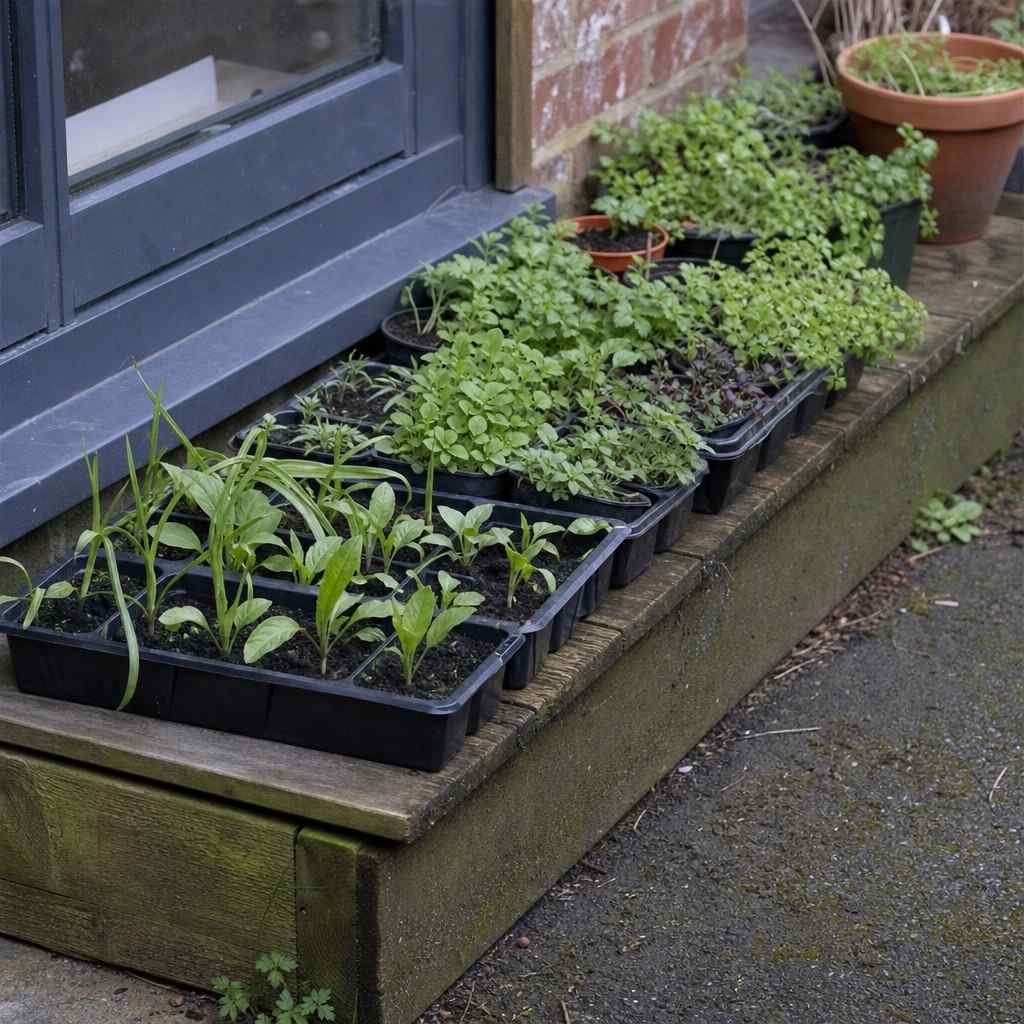
Spring is when the year starts in earnest. In the UK that means roughly March to May, though the last frost date varies. In northern England and Scotland, late frosts can reach into May. In the south, things often get going a few weeks earlier.
The big jobs:
- Sow seeds after the last frost risk has passed. Hardy annuals like cornflowers and poppies can go in earlier; tender crops like courgettes and tomatoes need to wait, or be started indoors on a warm windowsill first.
- Prepare your beds. Fork over any compacted soil, pull out winter weeds, and work in some compost if you have it. A bag from the garden centre will do fine.
- Plant out seedlings once nights stay mild. If you started seeds inside, they need hardening off first: put them outside during the day for a week or two before leaving them out overnight.
I’m self-taught, so everything here is what actually worked in my own garden. Spring is the season I got wrong most often early on, usually by sowing too early and then watching seedlings die in a cold snap. Wait for the soil to warm up. It is almost always worth it.
Summer: keep on top of the basics
Summer (June to August) is when the garden rewards you for the spring work. It is also when neglect starts to show quickly.
The main jobs:
- Water regularly, especially during dry spells. Morning is best. Containers dry out fast and need checking every day in warm weather.
- Keep on top of weeding. A small weed now is five minutes’ work. The same weed in three weeks is a proper chore. Little and often is the only system that works.
- Harvest things as they are ready. Courgettes in particular will turn into marrows overnight if you miss them. Pick regularly and the plant keeps producing.
Start small. An overplanted first garden becomes a chore, not a pleasure. A few pots of herbs, one or two salad crops, maybe a tomato plant: that is a real summer garden, and it is plenty to learn on.
Summer is also a good time to notice what is and is not working. Make a mental note, or an actual one. Those observations are worth more next spring than any gardening book.
Autumn: finishing up and setting things up for next year
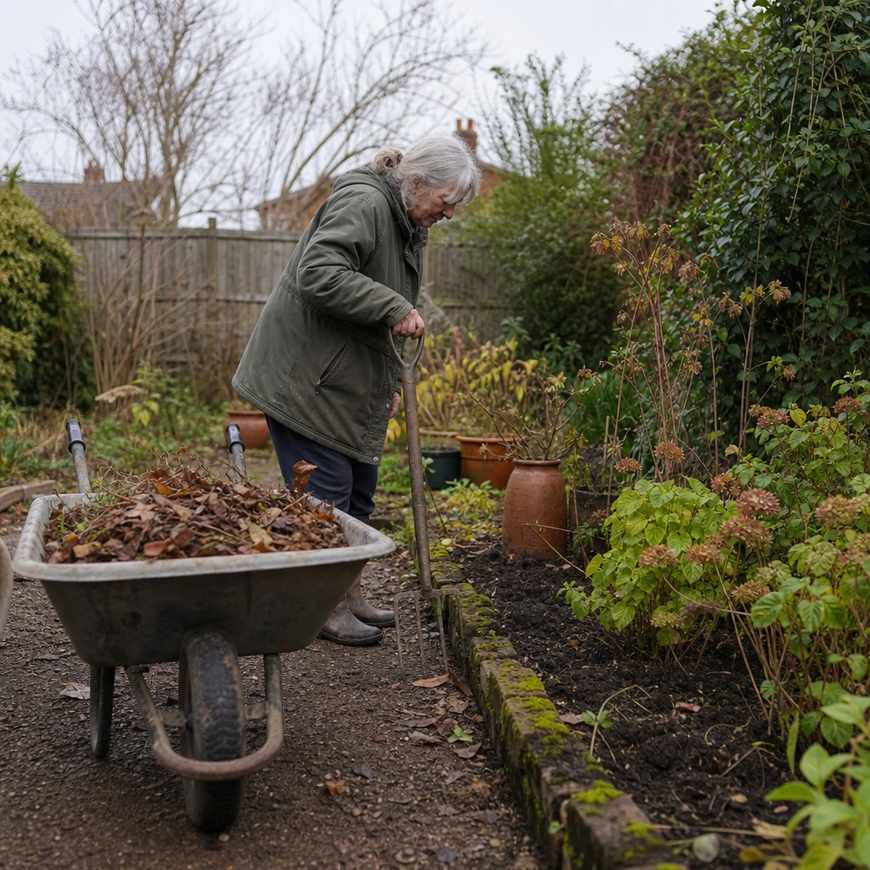
Autumn (September to November) feels like winding down, and in some ways it is. But there are a few jobs that are easy to miss and really worth doing.
The main jobs:
- Harvest the last of everything. Green tomatoes picked before the first frost will often ripen indoors on a windowsill. Root vegetables like carrots and parsnips can often stay in the ground a little longer.
- Plant spring bulbs. Daffodils, tulips, and crocuses go in from October. This is one of the highest-reward, lowest-effort jobs in the gardening year. Dig a hole, drop in a bulb, cover it, forget about it. Come March you’ll be glad you did.
- Tidy up and mulch. Clear spent plants, cut back anything that has finished, and if you can, spread a layer of mulch over bare soil. It suppresses weeds and protects the soil over winter.
- Start a compost heap with fallen leaves. Leaf mould takes time, but autumn gives you the raw material for free. A corner pile or a wire hoop is all you need.
Choose forgiving tasks so a setback is cheap and never feels like failure. If you only manage the bulbs and a bit of tidying, that is still a productive autumn.
Winter: rest, plan, and a few small jobs
Winter in the UK (December to February) is quiet in the garden. That is fine. It is supposed to be.
The few things worth doing:
- Clean and dry your tools before storing them. Wipe off soil, rub a little oil on metal surfaces. It takes ten minutes and tools last far longer.
- Plan next year. Look at what worked and what did not. Decide what you want to grow. Order seeds early if you want a good selection, particularly for anything unusual.
- Sow a few hardy things if you have a cold frame or unheated greenhouse. Broad beans, garlic, and some hardy salad leaves can go in during milder spells. But this is optional, not essential.
- Protect pots from hard frosts. Terracotta and ceramic pots can crack in a hard freeze. Move them against a wall or wrap them in fleece if a cold snap is forecast.
You don’t need a big plot, special tools or much money to begin. Winter is the season that proves this: the garden largely looks after itself, and you get to rest.
A word on the calendar as a whole
These are the jobs that actually moved the needle in my own garden. There are dozens of others I skipped, ignored, or got to when I remembered, and the garden was fine.
A beginner’s year in the UK comes down to this: sow at the right time, water in summer, plant some bulbs in autumn, and plan during winter. Everything else is detail you can add as you get more confident.
Learn by doing. A dead plant is a cheap lesson, not a verdict on you. And when spring comes round again, you’ll know exactly what to do differently.