Most beginner heartbreak starts at the garden centre.
You fall for something beautiful, bring it home, plant it in the wrong spot, and watch it sulk all summer. I’ve done it. The trick to a garden that thrives isn’t a green thumb. It’s choosing plants that suit the garden you actually have.
So before you buy, let’s get the basics right.
Start with a rough plan
You don’t need a fancy design. You need a sheet of paper and ten minutes.
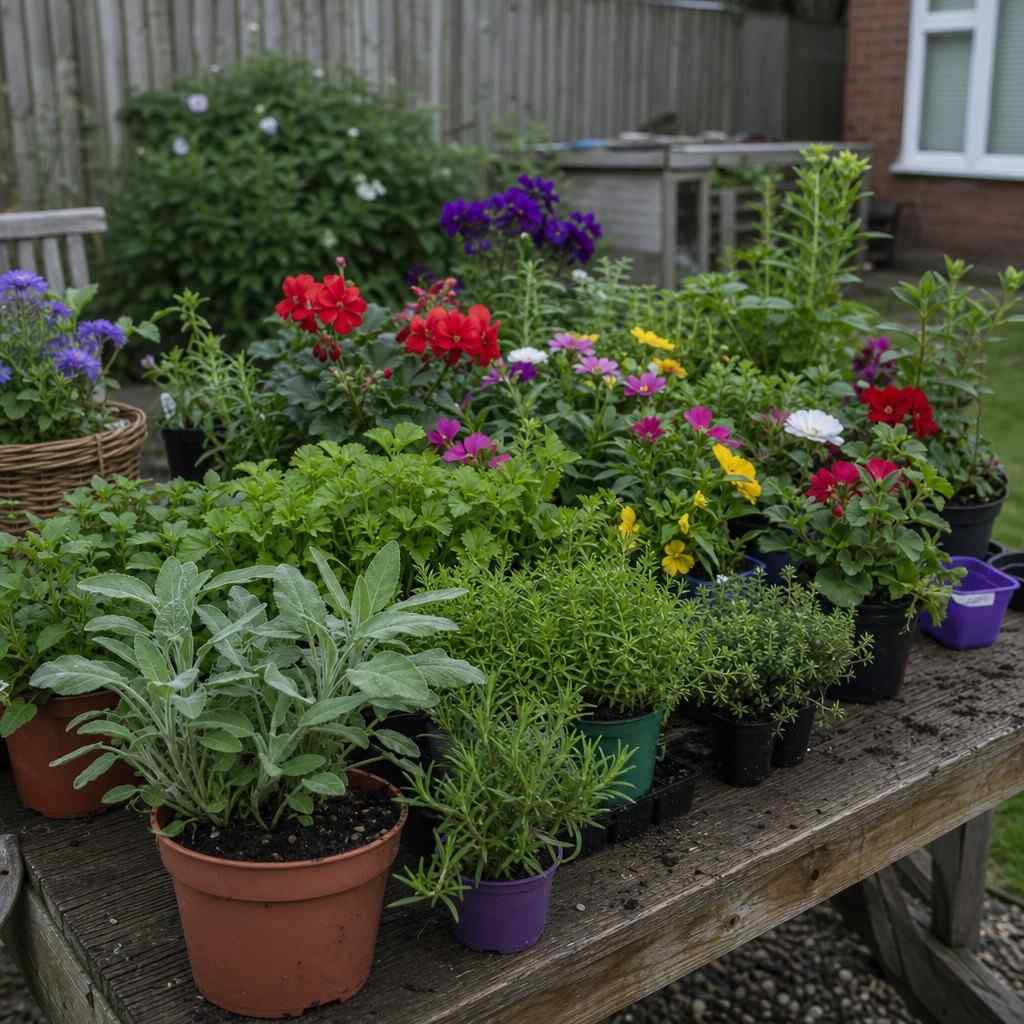
Sketch your space and decide roughly what goes where. A small flowerbed with two or three varieties is a perfectly good start. My own patch is five or so vegetables bordered by herbs, and that’s plenty to look after.
Here’s the one rule that saves you grief later.
Group plants that want the same care. Thirsty plants together, drought-tolerant ones together. Then you can water and tend them in one go, instead of running around meeting six different demands.
Know what you’re planting: annual or perennial?
This catches almost every beginner out, so let’s clear it up.
- Annuals live for one season. They bloom hard, look wonderfully colourful all summer, then they’re done.
- Perennials come back year after year. They often flower for a shorter spell, but they’re the gift that keeps giving.
Neither is better. A mix gives you summer-long colour now and a garden that fills out over time.
If you want less work next year, lean towards perennials. You plant once and they return on their own.
Read your soil and your sun
Plants live or die by two things you can check for free: the ground they sit in and the light they get.
When I started, I cleared the sod (that’s the top layer of grass and roots) and worked a good layer of compost into the first ten inches of soil with a spade. Damp spring earth is easiest to dig. That one job gave my plants the nutrient boost they needed to settle in.
Then there’s light, and this is the big one.
Sunshine decides more about your plants’ success than almost anything you do.
Most vegetables and the majority of flowers need at least six hours of direct sun a day. The Royal Horticultural Society backs this up: full-sun plants simply won’t perform in shade, no matter how well you feed them.
Many gardens get too much sun or too little. So spend a day watching yours:
- Where does the sun fall in the morning?
- Which spots stay bright in the afternoon?
- What’s in shade most of the day?
Match the plant to the spot
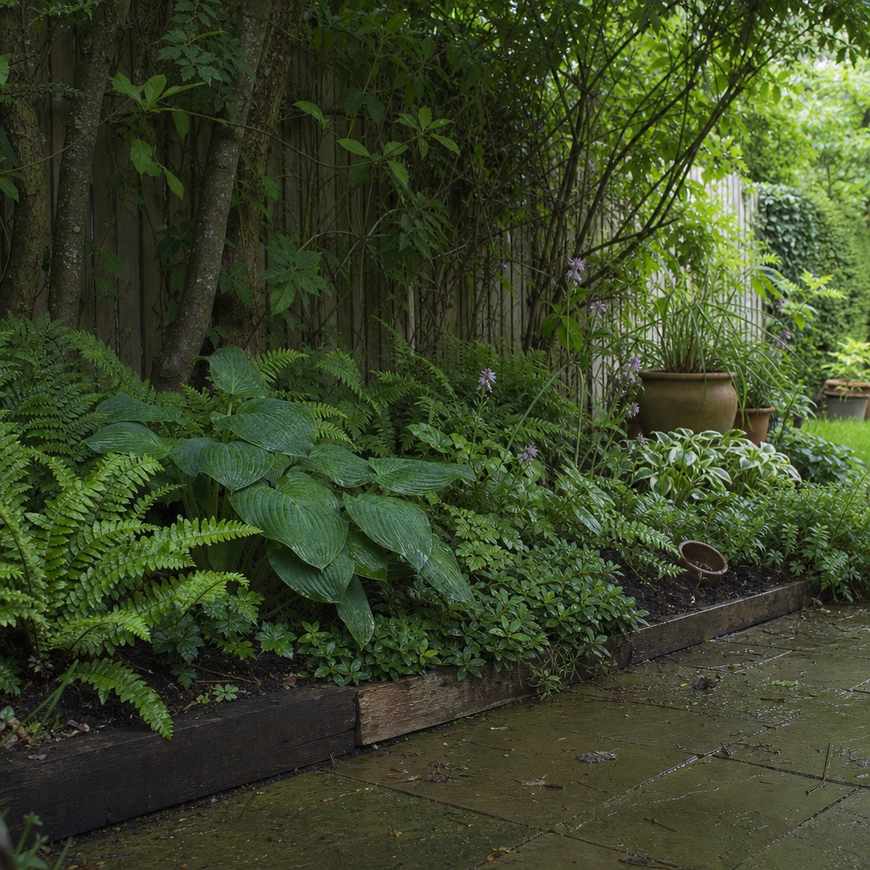
My garden is shady. For a long time I didn’t understand why things struggled.
The fix was simple, and a bit humbling. I went to my local garden centre, explained the problem, and asked what would actually cope with shade. The staff there knew exactly what to suggest, and most of those plants are still thriving today.
There’s no shame in asking. A two-minute conversation saved me a season of guesswork.
A simple checklist before you buy
Run any plant past these four questions first:
- Does it suit my light (sun or shade)?
- Will it fit the space when fully grown?
- Does it want the same care as its neighbours?
- Annual or perennial, and is that what I want?
Get these right and the growing part gets much easier. Choose well, and your garden does most of the hard work for you.
Until next time, happy gardening.